
Multi-Family ADU Construction · Bay Area · CSLB #580756
Multi-Family ADU & SB 9 Construction in Lafayette, CA — More Legal Units on Your Investment Property
SB 9 lot splits, multi-family ADU filings, and utility coordination with PG&E and local water districts — managed under one contract, one project lead, one phone number.
What SB 9 Allows
Adding Units to a Bay Area Investment Property — What SB 9 Actually Permits
California’s SB 9 allows up to four units on a lot that previously held one.
SB 9 (enacted 2022) permits most single-family lots to be split into two parcels, each allowing up to two units — four dwelling units where one home stood. That’s the statute. What it means on your property depends on parcel size, configuration, and zone designation.
Not every lot qualifies for a full split. Some qualify for additional units without a split, under California’s multi-family ADU provisions. These are two separate regulatory tracks — each with its own permit process, engineering, and timeline. The path that applies isn’t determined by what you want to build; it’s determined by what the parcel already is.
SB 9 is settled law in 2026. A 2024 court ruling briefly exempted five Southern California charter cities, but SB 450 confirmed charter cities are bound like every other jurisdiction — and Lafayette, as a general-law city, has applied SB 9 directly since it took effect. New to ADUs in general? Start with our ADU Construction in Lafayette overview.

Two Regulatory Tracks
The Path Isn't What You Want to Build — It's What the Parcel Already Is
Confirming the correct track at the start is the single decision that protects the entire project schedule.
SB 9 Lot Split
Most single-family lots split into two parcels under SB 9’s 40/60 rule — the smaller parcel must be at least 40% of the original, and traditional minimum-lot-size zoning no longer applies. Each parcel can carry up to two units (four total), can’t be used for short-term rentals, and requires a three-year owner-occupancy affidavit. Each new parcel may need its own water and gas meter, coordinated with PG&E and the water district before a foundation is poured — and when the new parcel becomes a ground-up build, that’s our custom home construction work.
Multi-Family ADU Provisions
Lots already holding two or more units can add up to eight detached ADUs — capped at the number of existing units — plus conversions of non-livable space at up to 25% of existing units, with no lot split required. A four-unit property qualifies for one conversion; a 20-unit property, five.
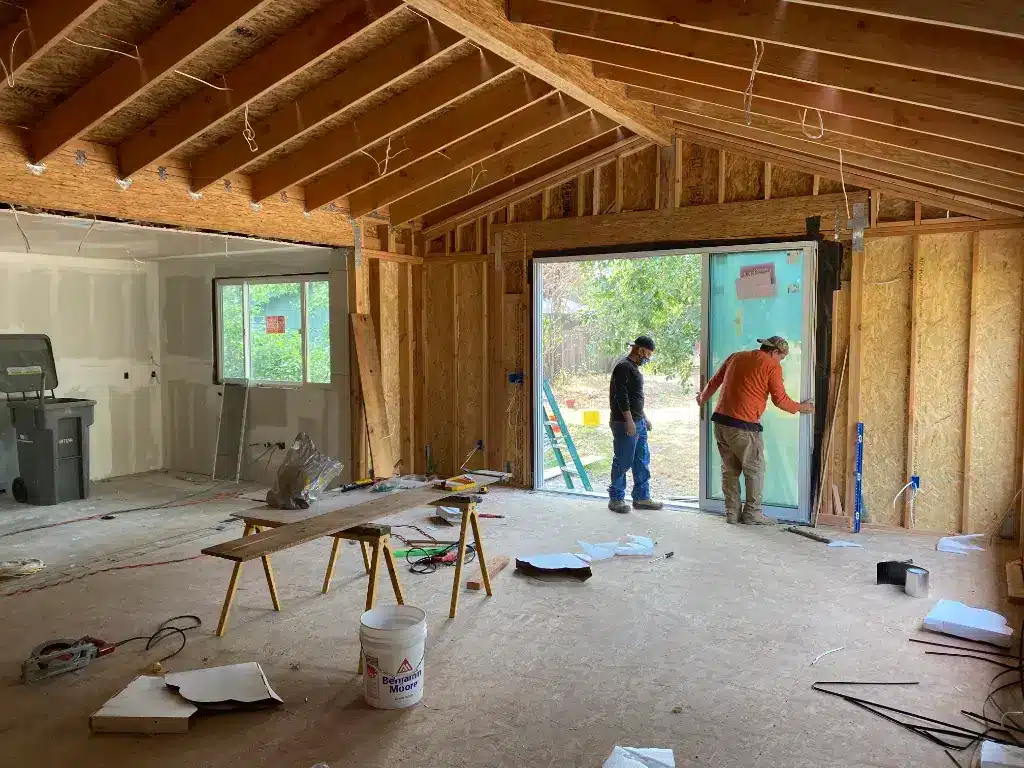
Local Familiarity
Multi-Unit ADU Experience Across Contra Costa County & the East Bay
The planning departments in Lafayette, Walnut Creek, and Pleasant Hill each process multi-unit ADU applications differently — and our Mount Diablo Blvd base keeps us current on all of them.
- Jurisdiction matters — Lafayette properties run through Contra Costa County's building department; Walnut Creek has its own city planning office. Overlay rules apply differently by jurisdiction.
- County overlay rules — setbacks, parking, and allowable density layer on top of state law and get applied to the specific parcel, not a general SB 9 summary.
- Working familiarity since 1989 — current knowledge of the plan-check offices, submittal checklists, and common correction triggers across the cities investors build in most.
One Point of Contact
On a multi-unit project, the delay comes from coordination gaps — not construction.
Picture a property owner juggling an architect for design, a civil engineer for the lot split, a plumber for meter applications, and a GC for the build — each moving at a different speed, none aware of what the others need before they can proceed. When the civil engineer’s split comes back with a correction, the architect’s plans may already reflect a parcel configuration that no longer matches. The permit can’t be pulled until both reconcile — and that takes weeks, sometimes months.
We hold CSLB license 580756 and have managed multi-workstream projects for 37 years. The SB 9 lot split, the multi-family ADU filings, and the utility coordination with PG&E and local water districts all move under one project lead. The property owner has one phone number — one team that knows where every application stands on any given day.
Shay Zilber
CEO, Rhino Builders · 20+ years leading Bay Area construction

Sequenced by Design
How We Manage SB 9 Lot Splits & Multi-Family ADU Permits in Sequence
Every phase of a multi-unit project depends on the phase before it completing correctly. Our sequencing standard reflects that:
- Parcel eligibility assessment — we confirm whether the property qualifies under SB 9 or the multi-family ADU provisions before any design begins. They're not interchangeable.
- Independent egress design — each unit needs its own exterior exit meeting fire and building code; on multi-unit configs, egress drives the floor plan from the start.
- Separate meter service coordination — independent water, gas & electric applications filed with PG&E and the water district in parallel to the building permit, not after.
- Contra Costa zoning overlay review — county rules on density, setbacks, and parking applied to the actual parcel.
- Single permit package, complete on first submission — all site engineering, utility documentation, and fire-zone compliance included before the county receives it.
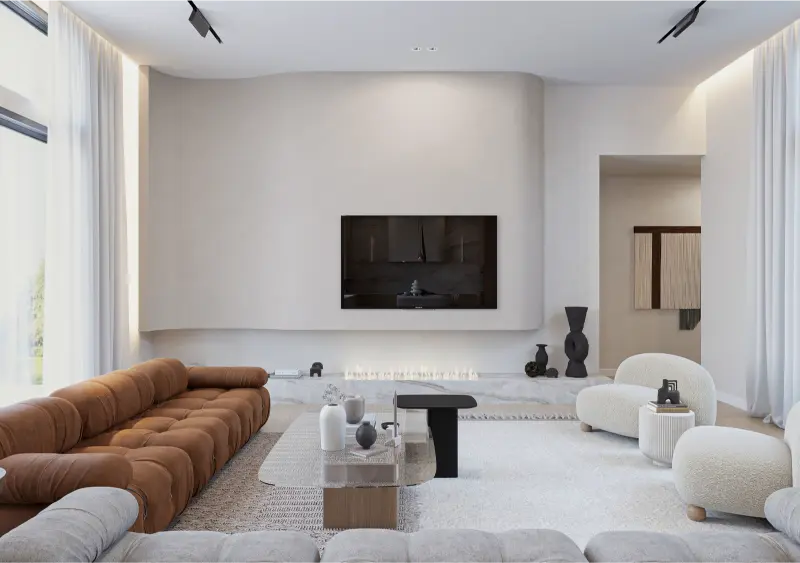
Application to Occupancy
One Contract From Lot Split Application Through Certificate of Occupancy
One contract covers the full regulatory sequence — from SB 9 application through final inspection on every unit.
- Site assessment — lot dimensions, current unit count, zone designation, and utility infrastructure confirmed; the county overlay checked against actual parcel data, not a state-level guide.
- Permit filing & construction — lot split filed first (if required), building permits follow, and PG&E / water applications start during the permit phase to prevent a post-approval delay. Our 30-person crew handles the inspection sequence internally.
- Final inspection & closeout — all units inspected as a coordinated sequence; each receives its certificate of occupancy, and you get a complete permit-closeout package.
Service Coverage
Multi-Unit ADU Projects for Bay Area Investment Properties
We build multi-unit ADU projects in Lafayette, Walnut Creek, Pleasant Hill, Orinda, Oakland, and throughout the Bay Area — with direct familiarity with Contra Costa County’s planning and building departments, and single-point management everywhere else.
Tell Us About Your Investment Property & Current Unit Count
Share your property address, current unit count, and what you’re trying to add. We’ll identify which regulatory track applies to your parcel, outline the permit sequence, and tell you what the process looks like on your specific lot — before any design work begins.
3685 Mount Diablo Blvd #161, Lafayette, CA 94549
Good to Know
Multi-Family ADU Questions From Bay Area Investment Owners
SB 9 applies to single-family lots and allows a lot split creating up to four total units across two parcels. The multi-family ADU provisions apply to lots that already carry two or more units — allowing additional detached ADUs and conversions of non-livable space. They’re separate tracks with different permit packages and timelines. Which applies depends on your parcel’s current zoning and unit count, not on what you intend to build.
In most cases, yes. Once split, each parcel is an independent legal lot, and local water districts and PG&E typically require independent service connections. Those applications must be initiated early — waiting until after the building permit is approved creates a post-permit delay that can add months.
A complete first-round submission typically takes four to eight weeks for plan-check review. A correction letter restarts the review clock. Projects filing a concurrent SB 9 lot split and ADU building permit may face layered timelines. We submit complete packages on the first round to avoid correction-letter delays.
Yes. If your property already holds two or more units, the multi-family ADU provisions allow up to eight detached ADUs — not exceeding the number of existing units — plus conversions of non-livable space at up to 25% of existing units, with no lot split. A four-unit property qualifies for one conversion; a 20-unit property, five. These run through the standard ADU track, not the SB 9 sequence.
Parts of Lafayette fall within Moderate, High, or Very High Fire Hazard Severity Zones per CAL FIRE. These affect exterior materials — roofing, siding, and vent screening — for every new unit on an affected parcel. Multi-unit projects in these zones must document fire-zone compliance in the permit package before Contra Costa County’s plan examiner will accept the submission as complete.
We manage the full sequence under one contract — the SB 9 lot split application, coordination with civil engineering for parcel mapping, multi-family ADU permit filings, utility coordination with PG&E and local water districts, and all phases of construction through certificate of occupancy. You have one point of contact for every workstream.
Yes. A 2024 Los Angeles County ruling exempted only five named Southern California charter cities (Redondo Beach, Torrance, Carson, Whittier, and Del Mar) — and SB 450 has since confirmed that charter cities statewide must comply with SB 9 like everyone else. For Lafayette the question never applied: Lafayette is a general-law city, so SB 9 has been in force here directly since 2022. The law is more settled today than it was two years ago.
Up to eight detached ADUs, as long as the number doesn’t exceed the count of existing units on the property — so a four-unit building can add up to four, while larger properties reach the eight-unit cap. Separately, you can convert non-livable space (storage rooms, boiler rooms, garages) into ADUs equal to 25% of existing units, with at least one always allowed.