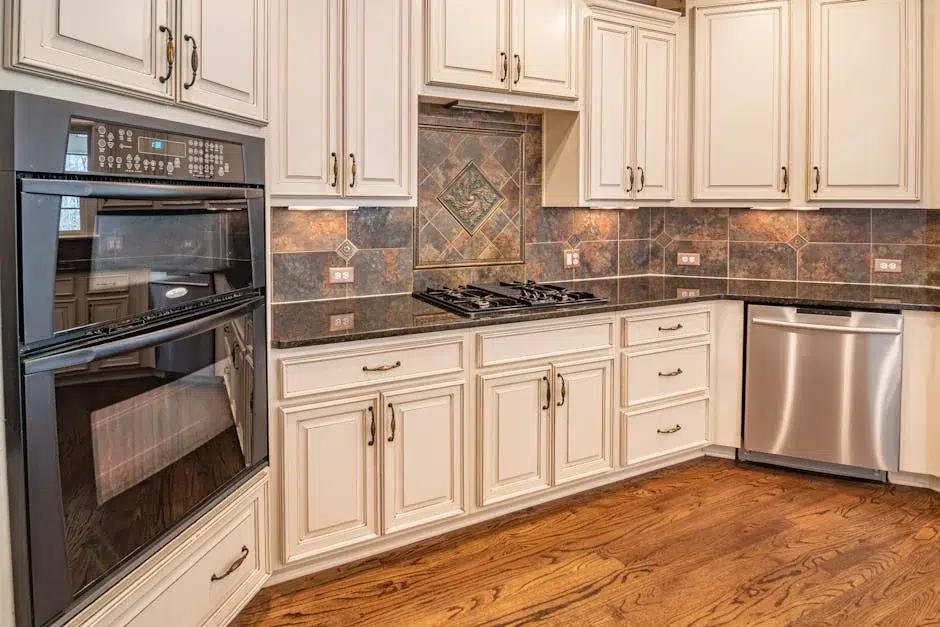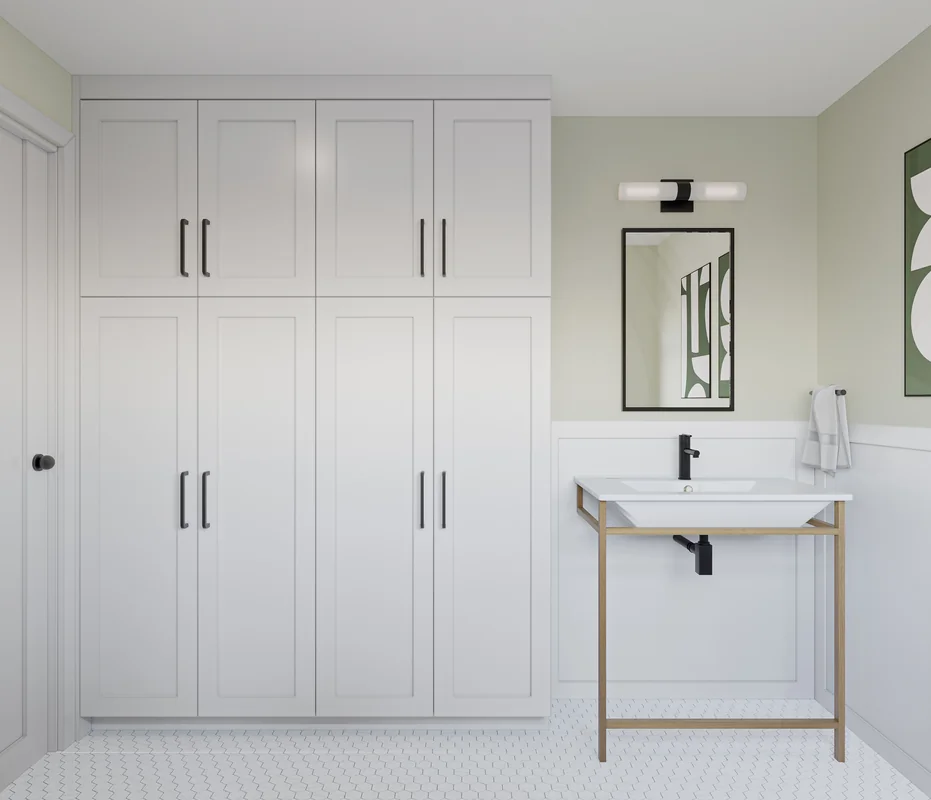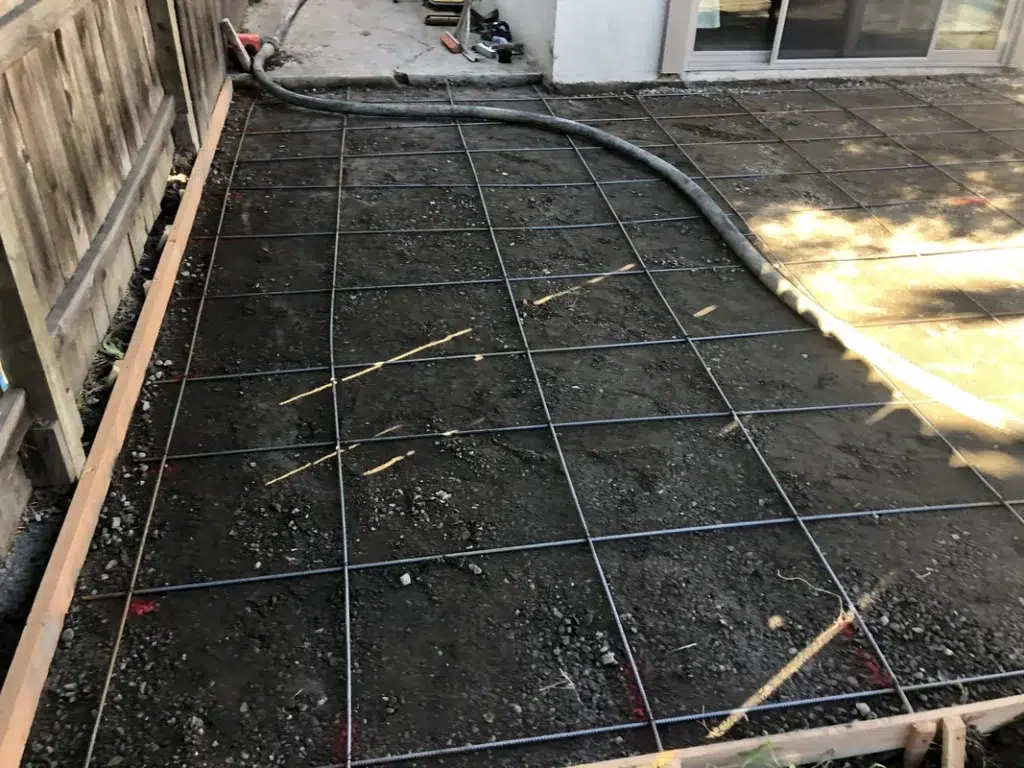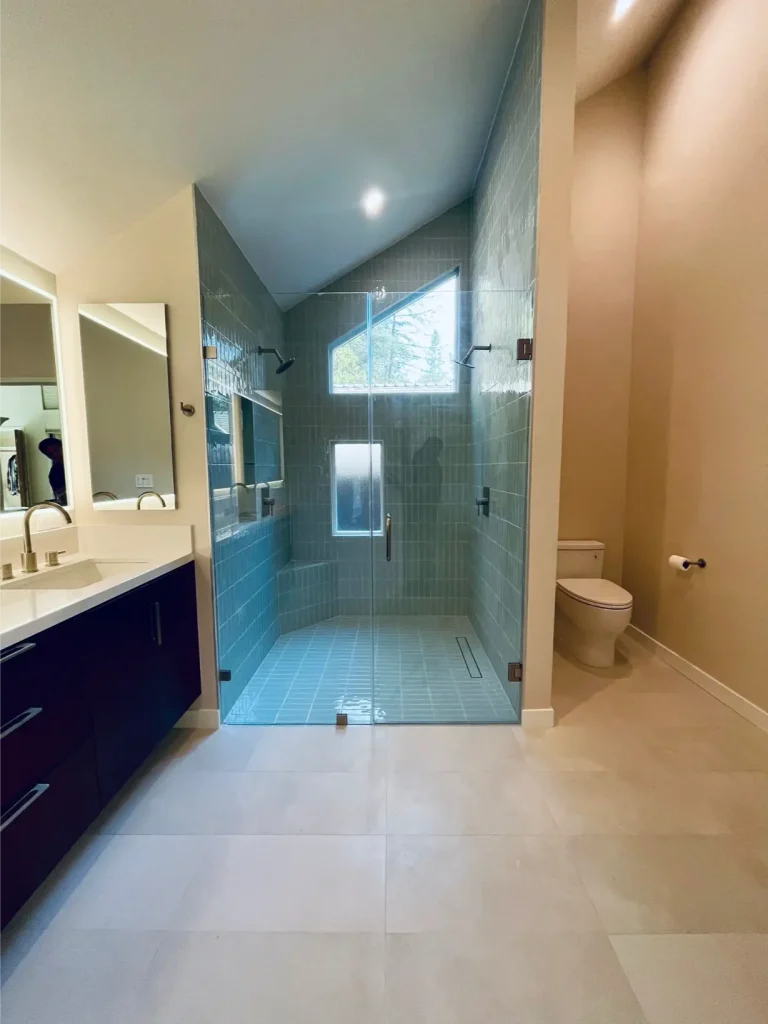
What You Should Expect Before Signing a Contract
- 2022 California Building Standards Code, Title 24 (Part 2 – California Building Code) – Governs structural alterations, including wall removal and seismic bracing. Any modification to load-bearing walls requires engineering and permits. Non-compliance can result in failed inspections, stop-work orders, and costly structural corrections.
- 2022 Building Energy Efficiency Standards (Title 24, Part 6) – Requires high-efficacy lighting, vacancy sensors, and energy-compliant appliances. Failing to meet standards may delay final approval and increase long-term utility costs.
- 2022 California Electrical Code (Part 3) – Mandates GFCI and AFCI protection in kitchens and proper circuit loads for modern appliances. Ignoring this creates fire hazards and inspection failures.
- 2022 California Plumbing Code (Part 5) – Regulates venting, trap placement, and water efficiency fixtures. Improper installation can cause leaks, mold growth, and failed pressure tests.
Schedule a Kitchen Cost Assessment
- Minor Remodel: Cabinet refacing, new countertops, fixture updates – may range from $45,000 to $75,000.
- Mid-Range Remodel: Semi-custom cabinets, layout adjustments, new flooring and appliances – often between $75,000 and $120,000.
- High-End Remodel: Custom cabinetry, structural changes, premium appliances, smart systems – can exceed $150,000.
- Site complexity (older wiring, uneven floors, seismic retrofits)
- Material costs (custom millwork vs. stock cabinets)
- Total scope (layout changes vs. surface updates)
Frequently Asked Questions
What is the average kitchen remodel cost in the San Francisco Bay Area for 2026?
For 2026, most kitchen remodels in the San Francisco Bay Area may range from $75,000 to $120,000 for a mid-range project. Smaller cosmetic updates can start lower, while high-end renovations with structural changes and custom cabinetry can exceed $150,000. Labor costs, permit requirements, and seismic considerations increase baseline pricing compared to national averages. Homes built decades ago often require electrical panel upgrades or plumbing corrections, which add to total investment. The final number depends on layout changes, appliance selections, and material quality. An in-home evaluation provides the most accurate budgeting framework.
Why are Bay Area kitchen remodels more expensive than national averages?
Several factors drive higher costs. First, labor rates reflect regional licensing standards and demand for skilled trades. Second, strict enforcement of California Title 24 energy and electrical codes requires updated wiring, lighting controls, and efficiency compliance. Third, many homes in the San Francisco Bay Area are older and may need seismic bracing or structural reinforcement before cosmetic upgrades begin. Permit fees and inspection scheduling also add administrative cost. When homeowners compare prices to other states without factoring these realities, budgets often fall short. Local expertise ensures compliance and reduces costly corrections.
How long does a full kitchen remodel usually take?
A full kitchen remodel in the San Francisco Bay Area typically takes 8 to 14 weeks once construction begins. Complex projects involving wall removal, structural beams, or custom cabinetry might extend beyond that. The schedule depends on site complexity, material costs and lead times, and total scope of work. Permit approvals and inspection timing can also influence progress. Appliance availability and custom millwork fabrication may create additional delays. These figures are preliminary benchmarks for informational purposes only and do not constitute a binding quote. An on-site evaluation is required for a final proposal.
Can I remodel my kitchen without hiring a professional contractor?
Cosmetic updates like painting cabinets or replacing hardware may be manageable for experienced homeowners. However, relocating plumbing, upgrading electrical circuits, or removing walls requires permits and licensed professionals under California regulations. Kitchens demand precise measurements, proper load calculations, and code-compliant installations. Mistakes in wiring or gas connections create fire and safety risks. Unpermitted work can also delay resale or void insurance coverage. For minor decorative changes, DIY can work. For structural, electrical, or plumbing modifications, professional oversight protects both safety and long-term property value.
What are common warning signs that my kitchen needs more than cosmetic updates?
Watch for flickering lights, frequently tripped breakers, uneven flooring, cabinet separation from walls, or signs of water damage under sinks. In older San Francisco Bay Area homes, outdated aluminum wiring or undersized electrical panels are common. Soft spots in subflooring may indicate hidden leaks. If countertops show cracking near cutouts, base cabinets may not be properly supported. Mold odors or bubbling paint suggest moisture intrusion. These conditions signal that a simple surface refresh may not address underlying issues. A professional assessment can identify structural or code-related concerns before they escalate.
What challenges are unique to kitchen remodels in the San Francisco Bay Area?
Seismic requirements are a major factor. Wall removal often requires engineered beams and lateral bracing. Many properties also have limited staging space, narrow access points, or shared walls in attached housing. Older plumbing systems may not meet current water efficiency standards. Energy regulations under Title 24 require compliant lighting and ventilation systems. Moist coastal air in parts of the San Francisco Bay Area can also affect material selection, particularly for wood cabinetry. These regional conditions require careful planning and coordination to prevent delays and inspection failures.
What should I look for when hiring a kitchen remodeling contractor?
When should I schedule a professional consultation?
Schedule a consultation as soon as you begin considering layout changes, appliance upgrades, or structural modifications. Early planning allows evaluation of load-bearing walls, electrical capacity, and plumbing constraints before design decisions lock you in. If you notice water damage, sagging floors, or outdated wiring, do not ignore them. While a kitchen remodel is rarely an emergency, delaying evaluation can increase repair costs and extend timelines. Addressing structural or code-related issues early keeps your project aligned with budget and inspection requirements.