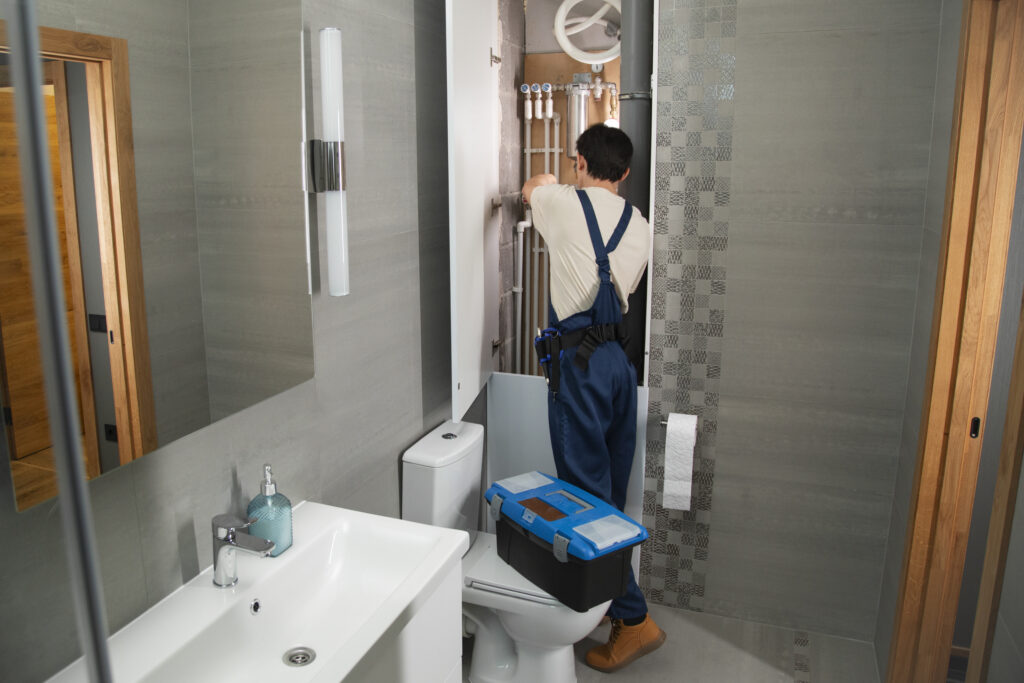
Planning a remodel or new build? You need to know your minimum bathroom size requirements. Trust me, I’ve worked on dozens of projects where homeowners underestimated space needs. It never ends well. Getting the dimensions right from the start saves headaches and money. This guide breaks down everything you need to know about sizing for 2026. We’ll cover different types, standard measurements, and practical tips. Let’s make sure your project turns out exactly how you envision it.
Understanding the Minimum Bathroom Size for 2026
Here’s what I tell every client who walks through my door. The minimum bathroom size depends on what fixtures you’re installing. For a basic powder room with just a toilet and sink, you need at least 15 square feet. That’s roughly 3 feet by 5 feet of floor space. Building codes in most areas require this as the absolute minimum.
Now, if you want a shower included, things change. You’ll need around 30 to 36 square feet minimum. I’ve squeezed functional spaces into tight areas before. It takes careful planning and the right fixture choices. The 2026 standards remain similar to previous years. However, accessibility requirements have become more important in new construction projects.
What Determines Your Ideal Layout
Your layout depends on several key factors. First, consider how many people will use the space daily. A guest powder room has different needs than a family’s main space. Second, think about fixture placement and door swing clearance.
I always recommend sketching out your floor plan first. Mark where the toilet, vanity, and bathtub or shower will go. Leave at least 15 inches from the toilet center to any wall. You need 21 inches of clearance in front of the toilet, too. These measurements ensure comfortable, functional use every single day.
Average Size of a Bathroom by Type
Different types require different amounts of space. The average size of a bathroom in American homes varies quite a bit. A quarter bathroom only needs about 12 square feet. A standard size runs between 36 and 40 square feet. Master spaces often exceed 100 square feet in newer homes.
I’ve worked on every bathroom type you can imagine, from tiny apartment conversions to luxury master suites. The key is matching the size to its intended purpose. A Jack and Jill bathroom serving two kids needs more space. A simple guest space can work in a smaller footprint
Full Bathroom vs Half Bathroom Dimensions
Let’s break down the two most common types. A half bathroom, or powder room, typically measures 18 to 20 square feet. It contains just a toilet and sink. Most homes have at least one on the main floor for guests.
A full design includes a bathtub or shower. The minimum bathroom size for this type is around 36 square feet. Most comfortable full spaces measure 40 to 50 square feet. I always suggest going slightly larger if your floor plan allows it. That extra space makes daily routines much more pleasant.
Here’s what each type typically includes:
- Quarter: toilet and sink only, about 12 square feet
- Half: toilet and vanity, 18-20 square feet
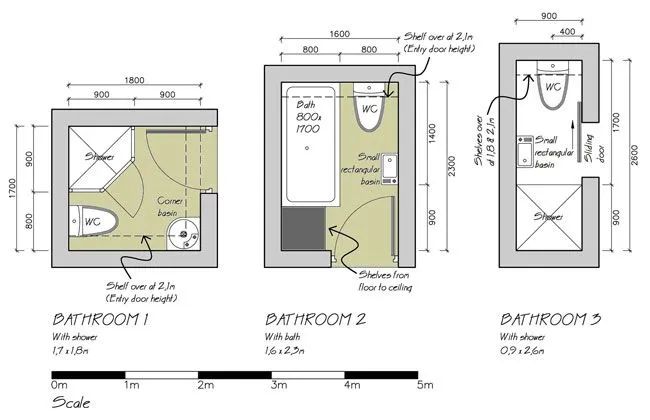
- Three-quarter: toilet, sink, and shower, 30-36 square feet
- Full: toilet, sink, and bathtub, 36-50 square feet
- Master: all fixtures plus extra space, 50-100+ square feet
Small Bathroom Size Solutions That Actually Work
Working with a small bathroom size doesn’t mean sacrificing style. I’ve transformed cramped spaces into functional retreats many times. The secret lies in smart fixture selection and clever storage solutions. Wall-mounted vanities create visual floor space. Corner sinks work great in tight layouts.
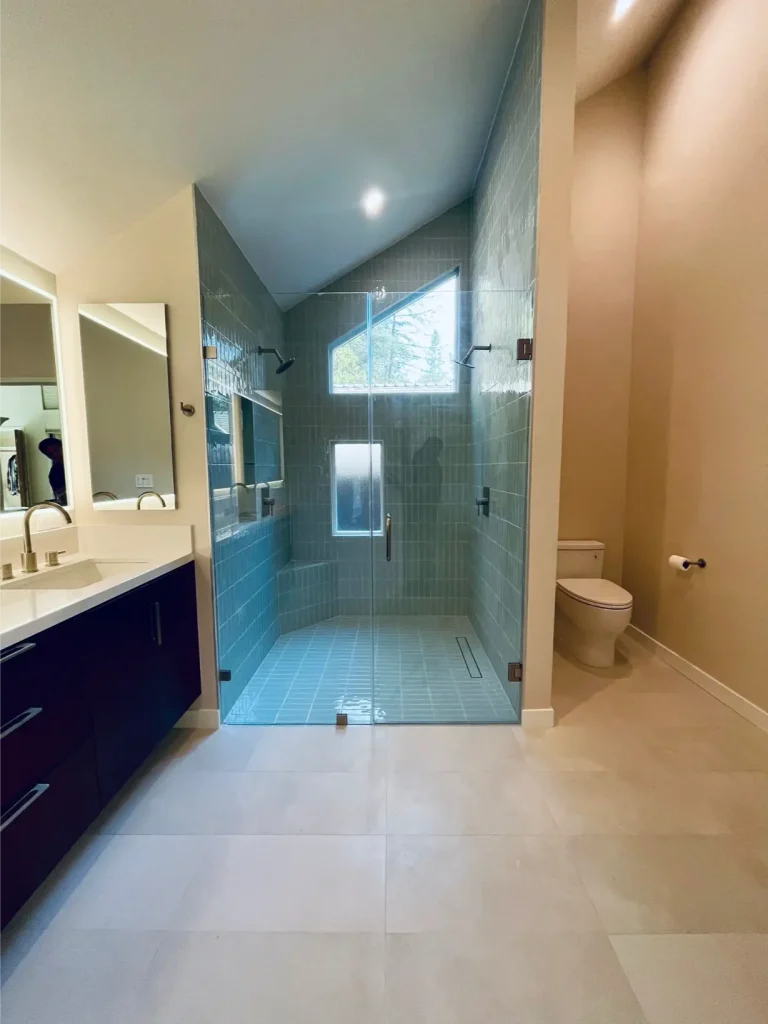
Consider a walk-in shower instead of a bathtub. It takes up less room and feels more open. Use large-format tiles to reduce grout lines. This trick makes walls appear larger than they actually are. Light colors and good lighting also help small spaces feel bigger.
Glass shower doors beat curtains every time in tight quarters. They allow light to flow through the entire space. Recessed medicine cabinets add storage without eating into floor area. These simple choices can make even the minimum bathroom size feel comfortable and inviting
Master Bathroom Dimensions Worth Knowing
Master bathroom dimensions have grown significantly over the decades. The average size today ranges from 50 to 100 square feet. Luxury homes often feature even larger spaces with separate areas for each fixture.
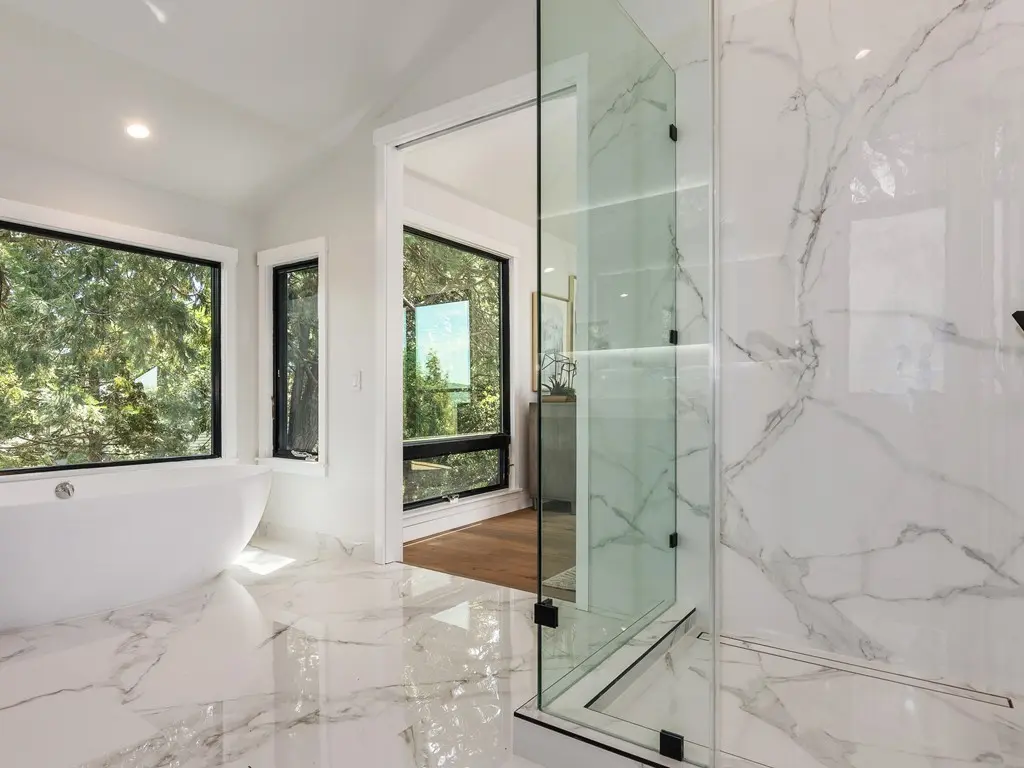
I recently completed a master suite project with 120 square feet. It included a freestanding bathtub, double vanity, and walk-in shower. That’s the dream for most homeowners. However, you can create a beautiful master space in 50 square feet, too. Proper planning makes all the difference in how the room functions.
Consider your daily routine when planning master dimensions. Do you need double sinks? Would you use a separate tub and shower? These decisions affect your minimum bathroom size requirements significantly.
Trustindex verifies that the original source of the review is Google. We did an ADU build with a bathroom remodel at the same time. Itay made sure every detail was taken care of, the finishes came together beautifully, and the space feels modern and bright.Posted onTrustindex verifies that the original source of the review is Google. Our full home renovation was a big job, and Rhino handled it professionally from start to finish. Shay checked in regularly, and the results really speak for themselves. We couldn’t be happier! 😁Posted onTrustindex verifies that the original source of the review is Google. Alon was such a pleasure to work with. He really cared about the details and made sure everything turned out exactly how I pictured it. Can’t stop smiling when I look at my new space.Posted onTrustindex verifies that the original source of the review is Google. We had a room addition built and it turned out amazing. The construction blended perfectly with the existing structure, and the workers kept everything clean and well-organized throughout.Posted onTrustindex verifies that the original source of the review is Google. After a bad experience with a different company on a previous project, we were hesitant to start another one. But working with Shay and his team was a completely different experience—they were reliable, communicative, and made us feel at ease throughout the entire room addition. We finally felt like we were in good hands, and the results speak for themselves!Posted onTrustindex verifies that the original source of the review is Google. We’ve worked with contractors before, but this was different. Rhino Builders really listened and made it easy. The results are beautiful!Posted onTrustindex verifies that the original source of the review is Google. The attention to detail was impressive. They made sure everything matched our home perfectly. Super happy with the outcome.Posted onTrustindex verifies that the original source of the review is Google. Rhino Builders had amazing service from day one. They were super patient with all our questions and changes, and never made us feel rushed. It’s rare to find a team that listens and truly cares—so grateful we chose them!Posted onTrustindex verifies that the original source of the review is Google. We chose to go with Rhino builders after interviewing a few companies around. These guys were really great. They gave us a fair price to get our 2 bathrooms and our kitchen remodeled. They were very helpful with the designs and choosing the materials throughout the remodel. We had a good experience with them.Posted onTrustindex verifies that the original source of the review is Google. I really enjoyed working with Shay and his team on our home remodeling projects. We did some layout changes and they were beyond helpful with plans, architecture and all the ideas we had. Will probably do some outdoor design and work again with this company next year.Verified by TrustindexTrustindex verified badge is the Universal Symbol of Trust. Only the greatest companies can get the verified badge who has a review score above 4.5, based on customer reviews over the past 12 months. Read more
How to Create a Beautiful Bathroom Design in Any Space
Creating a beautiful design isn’t about square footage alone. I’ve seen stunning spaces in just 40 square feet. Good design comes from thoughtful fixture selection and cohesive styling. Start by choosing fixtures that fit your space properly.
Your vanity should leave enough clearance for movement. Standard vanities run 24 to 48 inches wide. Choose the size that works for your minimum bathroom size requirements. Don’t forget about fittings like faucets and towel bars. These details elevate the overall look substantially.
An accessible design works for everyone, not just those with mobility needs. Wider doorways and grab bars add safety without sacrificing style. Curbless showers look modern and provide easy entry. These features also increase your home’s resale value down the road.
Choosing the Right Minimum Bathroom Size for Your Home
So how do you pick the right minimum bathroom size for your project? Start by listing your must-have fixtures. Then add up the clearance space each one requires. This gives you a baseline square footage to work with.
Think about who uses the space and how often. A common bathroom serving multiple family members needs more room. A rarely used guest space can be smaller. Building codes set the floor, but comfort sets the ceiling.
I always tell clients to plan for the future, too. What works today might feel cramped in five years. If you have the option, add a few extra square feet. You’ll thank yourself later when your household needs change.
Frequently Asked Questions
Q: What is the smallest legal size for a bathroom with a shower?
A: Most building codes require at least 30 square feet for a space with a shower. The shower stall itself needs a minimum of 30 by 30 inches. You also need proper clearance around the toilet and sink. I recommend checking your local codes before finalizing any plans. Some areas have stricter requirements than others.
Q: Can I fit a bathtub in a 40-square-foot bathroom?
A: Yes, a standard bathtub fits well in 40 square feet. Standard tubs measure 60 inches long by 30 inches wide. You’ll have enough room left for a toilet, sink, and movement space. I’ve installed many tubs in spaces this size successfully. Just plan your layout carefully beforehand.
Q: What's the ideal ceiling height for bathrooms?
A: Most codes require at least 80 inches of ceiling height over fixtures. Standard ceiling height runs 96 inches in most homes. Higher ceilings make small spaces feel larger and more open. I always suggest maximizing ceiling height when possible during renovations.
Q: How much space do I need around a toilet?
A: You need 15 inches minimum from the toilet center to any wall. Front clearance should be at least 21 inches from the front of the bowl. I prefer 24 inches of front clearance for comfort. These measurements ensure the space feels usable and meets code requirements.
Q: Is a half bathroom worth adding to my home?
A: Absolutely. A powder room adds convenience and boosts home value significantly. Guests appreciate having a dedicated space. You only need about 18 square feet to create one. I consider it one of the best investments for any home.
Q: How do I make a small bathroom feel larger?
A: Use light colors on walls and floors to open up the space. Install large mirrors to reflect light around the room. Choose wall-mounted fixtures to show more floor area. Glass shower enclosures also help tremendously. I’ve used these tricks on countless projects with great results.