Setting up a kosher kitchen might feel overwhelming at first. Trust me, I’ve helped dozens of families through this exact process. The good news? It’s totally doable with the right planning. Whether you’re building from scratch or converting an existing space, this guide walks you through everything. We’ll cover the dietary laws, the must-have features, and smart design choices. By the end, you’ll feel confident tackling this project. Let’s dive into what it takes to create a space that honors kashrut and works for your family.
What Makes a Kosher Kitchen Design Unique
The foundation of any kosher kitchen comes down to one word: separation. According to the Torah and Jewish traditions, meat and dairy must never come into contact. This isn’t just about food storage. It extends to every pot, pan, and utensil you use. I’ve worked with families who thought a simple rearrangement would work. Honestly, it requires more thought than that.
A proper kosher kitchen needs completely separate systems for meat and dairy products. That means two sets of everything in many cases. Your pots and pans, dishes, and cooking tools all need dedicated spots. Some families even use color coding to keep things straight. The goal is to prevent any mix-ups during busy meal prep.
Planning Your Kitchen Layout for Proper Separation
When I start a kosher kitchen project, the first conversation is about layout. You need distinct zones for either meat or dairy preparation. This usually means dedicated counter space on opposite sides of the room. The physical distance helps prevent cross-contamination during cooking.
Think about workflow, too. You don’t want to carry a hot pot across the entire space. I recommend placing each zone near its own sink and storage. A well-planned layout makes keeping kosher feel natural, not like a daily battle. Good design should support your routine, not fight against it.
Choosing Appliances That Support Your Lifestyle
Here’s where things get interesting. Many observant families opt for two of each major appliance. That might include a separate oven for meat and another for dairy. Some go with double dishwasher setups, too. However, I’ve also helped families work within tighter budgets.
If two of everything isn’t realistic, there are workarounds. Some families use one oven but run a self-cleaning cycle between uses. A microwave can be dedicated to one category while the oven handles the other. The key is consistency. Whatever system you choose, stick with it. Certified kosher appliances also exist if you want extra peace of mind.
Setting Up Separate Sinks and Prep Areas
A separate sink for meat and another for dairy is ideal. I’ve installed countless dual-sink setups over the years. They make daily life so much easier. Each sink gets its own rack for drying dishes. You’ll also want dedicated sponges and cleaning supplies nearby.
If space or budget limits you to one sink, don’t panic. Some families use removable basin inserts instead. After preparing the meat, the basin gets cleaned thoroughly with boiling water. Then the dairy basin goes in. It requires more attention, but absolutely works. Just stay organized and mindful during each use.
Essential Steps for Making Your Kitchen Kosher
Converting an existing space involves several important steps. First, everything needs a deep clean. I’m talking about scrubbing every drawer, shelf, and surface. Non-kosher residue from previous cooking must be completely removed. This sets the stage for your fresh start.
Next comes the equipment evaluation. Some items can be made kosher through specific processes. Metal pots may be kashered using boiling water. However, certain materials, such as ceramics, can’t be converted. You’ll likely need to purchase some new items. Here’s a quick checklist of things most families need:
- Two complete sets of pots and pans
- Separate utensil holders and drawer organizers
- Dedicated cutting boards for each category
- Color-coded storage containers
- Individual dish racks for each sink
Organizing Utensils and Storage Solutions
Storage planning is where a kosher kitchen really comes together. Every utensil needs a designated home. I love installing clearly labeled drawers on opposite sides of the space. This prevents any accidental mixing during rushed mornings.
Your refrigerator setup matters too. Designate specific shelves for meat must items and others for dairy. Some families use separate bins or containers inside. The clearer your system, the easier daily life becomes. Good organization turns this lifestyle into second nature over time.
Trustindex verifies that the original source of the review is Google. We did an ADU build with a bathroom remodel at the same time. Itay made sure every detail was taken care of, the finishes came together beautifully, and the space feels modern and bright.Posted onTrustindex verifies that the original source of the review is Google. Our full home renovation was a big job, and Rhino handled it professionally from start to finish. Shay checked in regularly, and the results really speak for themselves. We couldn’t be happier! 😁Posted onTrustindex verifies that the original source of the review is Google. Alon was such a pleasure to work with. He really cared about the details and made sure everything turned out exactly how I pictured it. Can’t stop smiling when I look at my new space.Posted onTrustindex verifies that the original source of the review is Google. We had a room addition built and it turned out amazing. The construction blended perfectly with the existing structure, and the workers kept everything clean and well-organized throughout.Posted onTrustindex verifies that the original source of the review is Google. After a bad experience with a different company on a previous project, we were hesitant to start another one. But working with Shay and his team was a completely different experience—they were reliable, communicative, and made us feel at ease throughout the entire room addition. We finally felt like we were in good hands, and the results speak for themselves!Posted onTrustindex verifies that the original source of the review is Google. We’ve worked with contractors before, but this was different. Rhino Builders really listened and made it easy. The results are beautiful!Posted onTrustindex verifies that the original source of the review is Google. The attention to detail was impressive. They made sure everything matched our home perfectly. Super happy with the outcome.Posted onTrustindex verifies that the original source of the review is Google. Rhino Builders had amazing service from day one. They were super patient with all our questions and changes, and never made us feel rushed. It’s rare to find a team that listens and truly cares—so grateful we chose them!Posted onTrustindex verifies that the original source of the review is Google. We chose to go with Rhino builders after interviewing a few companies around. These guys were really great. They gave us a fair price to get our 2 bathrooms and our kitchen remodeled. They were very helpful with the designs and choosing the materials throughout the remodel. We had a good experience with them.Posted onTrustindex verifies that the original source of the review is Google. I really enjoyed working with Shay and his team on our home remodeling projects. We did some layout changes and they were beyond helpful with plans, architecture and all the ideas we had. Will probably do some outdoor design and work again with this company next year.Verified by TrustindexTrustindex verified badge is the Universal Symbol of Trust. Only the greatest companies can get the verified badge who has a review score above 4.5, based on customer reviews over the past 12 months. Read more
Working With a Rabbi During the Process
I always recommend consulting a rabbi before starting your project. They understand kashrut requirements inside and out. Every family’s practice level differs slightly. A rabbi helps you determine exactly what your setup needs to meet your standards.
Some rabbis will even do a walkthrough of your finished space. They can spot potential issues you might miss. This guidance proves invaluable, especially for first-time conversions. Think of them as consultants for the spiritual side of your renovation.
Tips for Creating Your Dream Kosher Kitchen
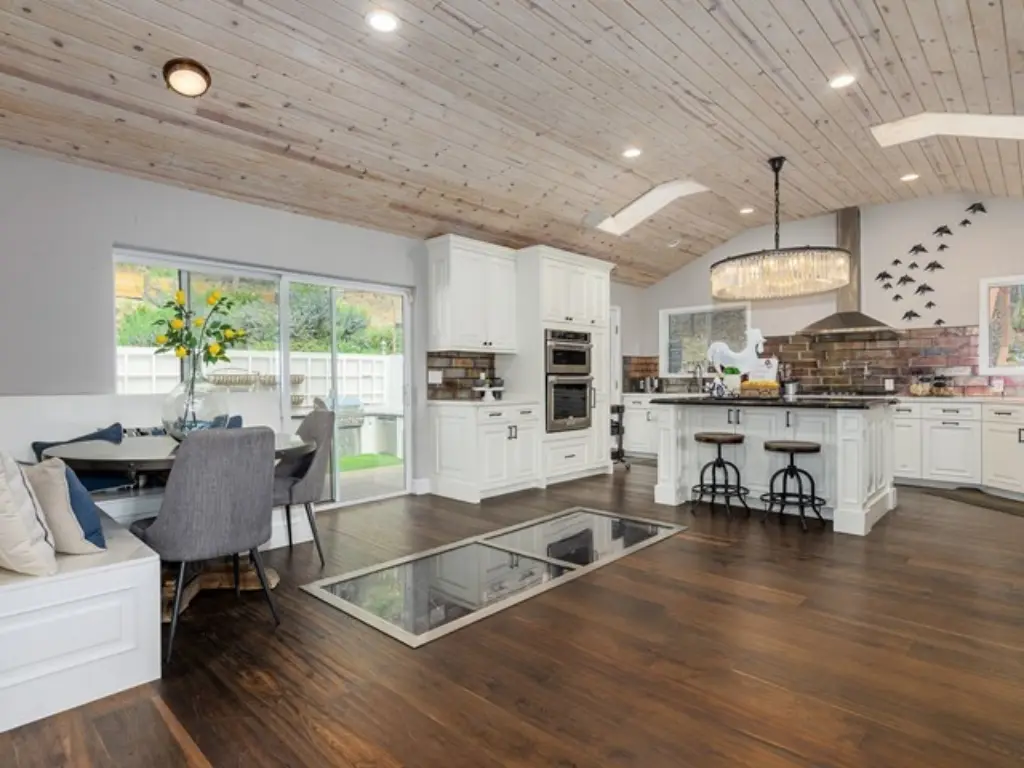
Budget constraints don’t mean sacrificing function. I’ve designed beautiful kosher kitchens at every price point. Start with the essentials and add extras over time. Maybe you begin with one oven and add another later. Prioritize what impacts daily life most.
Consider your family’s cooking habits too. Do you entertain often? You might need more prep space. Is baking your thing? Invest in quality dairy-side equipment. Your kosher kitchen should reflect how you actually live. That personal touch makes the space feel truly yours.
Final Thoughts on Your Kosher Kitchen Journey
Building a kosher kitchen is about more than just following rules. It’s creating a space where tradition and daily life blend seamlessly. I’ve seen families transform their relationship with cooking through this process. The initial effort pays off every single day.
Take your time with planning. Consult experts when needed. Invest in quality where it counts. Your finished kosher kitchen will serve your family for years to come. Every meal prepared there connects you to generations of tradition. That’s something worth doing right.
Frequently Asked Questions
How much does it cost to create a kosher kitchen?
Costs vary widely based on your approach. A basic conversion using existing infrastructure might run $2,000-5,000 for new cookware and organization. Full renovations with double sinks and dual appliances can range from $15,000 to $ 50,000 or more. I suggest prioritizing essentials first. You can always upgrade appliances later as your budget allows.
Can I convert my existing kitchen, or do I need a full remodel?
Many existing spaces can be successfully converted without major construction. You’ll need thorough cleaning and new separation equipment. However, adding a second sink typically requires plumbing work. Evaluate your current layout honestly. Sometimes, small modifications create big improvements without full renovation costs.
How do I handle Passover preparations in my kosher kitchen?
Passover requires additional steps beyond year-round practices. Many families keep separate Passover dishes stored away. Countertops get covered or kashered specifically for the holiday. Some appliances need special cleaning procedures. Plan storage space for these seasonal items during your initial design phase.
What if I only have space for one oven?
Single-oven households can absolutely keep kosher successfully. Run the self-cleaning cycle between meat and dairy uses. Some families dedicate the oven to one category and use a microwave exclusively for the other. Consistency matters most. Choose a system and follow it faithfully every time you cook.
Do I need special certification for my appliances?
Standard appliances work fine for most families. Certified kosher appliances exist but aren’t required by Jewish law. The certification primarily offers convenience features, such as Sabbath modes. Focus your budget on separation infrastructure first. Specialty appliances are nice additions, but not essential for compliance.
How long does a kosher kitchen conversion typically take?
Timeline depends heavily on scope. Simple conversions with new equipment take just days. Renovations involving plumbing or electrical work might span several weeks. Full remodels could take two to three months. I recommend planning around your schedule carefully to minimize disruption to daily family meals.