Search
Close this search box

Foundation Types for Residential Homes: Slab, Crawl Space or Basement?

  • Home
  • Blogs
  • Foundation Types for Residential Homes: Slab, Crawl Space or Basement?
The short answer: the best foundation depends on your soil, drainage, climate, and long-term plans – not just cost. At Rhino Builders, we’ve guided homeowners through foundation decisions for years of experience, and we’ve seen how the right choice protects a home for decades while the wrong one creates constant repairs. We’ve also seen what happens when this decision is rushed. One homeowner chose a slab to save upfront money without addressing expansive clay soil; within two years, cracks telegraphed through tile flooring and interior walls. Fixing differential settlement cost far more than upgrading the original design. If you’re planning house foundations for a new build or major renovation, this guide walks you step by step through slab, crawl space, and basement options so you can make a structurally sound decision.

Main Insights

Choosing between slab, crawl space, and basement foundations is not a style preference – it’s a structural strategy. The International Code Council (ICC), through the International Residential Code (IRC), sets minimum requirements for footings, frost protection, drainage, and foundation walls because failure at this level threatens the entire structure. The primary risk of ignoring soil and moisture conditions is differential settlement, which can crack structural walls, damage plumbing, and void manufacturer warranties on flooring and framing materials. We’ve seen this firsthand. One client planned a whole-home upgrade and skipped a soil evaluation. During excavation, our team found high groundwater and loose fill from an old structure. We paused the project, brought in a geotechnical engineer, and redesigned the foundation from slab-on-grade to a conditioned crawl space with perimeter drains and a vapor barrier. That adjustment prevented chronic moisture issues that would have compromised the whole house renovation they were investing in. Step 1: Order a geotechnical soil test – A soil bearing capacity report (often including compaction tests and plasticity index for clay) determines whether you need spread footings, thickened slab edges, helical piers, or deeper footings. Step 2: Evaluate drainage and frost depth – Verify slope away from the structure (minimum 5% for the first 10 feet) and confirm frost line requirements per IRC to prevent heaving. Step 3: Align foundation type with future plans – If you plan home additions or heavy interior loads, design footings and reinforcement (e.g., #4 rebar at 12″ O.C.) accordingly. For additional technical reference, review the ICC’s residential standards at iccsafe.org.

Building Codes and Best Practices for Residential Foundations

Strong foundations start with compliance. Building officials inspect footings, reinforcement, moisture control, and anchoring before concrete is poured or walls are backfilled. Failing inspection can delay your project and increase costs through rework. The most widely adopted standards for foundation types for residential homes include: Step 1: Submit engineered plans – Provide stamped drawings showing footing dimensions, rebar schedules, anchor bolt spacing (typically 6 feet O.C.), and slab thickness before permit approval. Step 2: Schedule footing and reinforcement inspections – Inspectors must verify trench depth, bearing soil, and steel placement prior to concrete placement. Step 3: Install moisture control systems – For basements and crawl spaces, include perimeter footing drains, 6-mil or thicker vapor barriers, and dampproofing or waterproofing membranes as required. In our experience, projects that follow these steps move smoothly through inspections and avoid expensive demolition and re-pours.

Common Mistakes, Timelines, and Cost Factors

Most foundation failures we encounter trace back to three issues: poor soil prep, inadequate drainage, and underestimating long-term needs. These mistakes often surface years later as cracked drywall, sticking doors, or uneven floors. One homeowner chose a basement without budgeting for full waterproofing. After the first heavy season of rain, hydrostatic pressure forced water through cold joints in the concrete wall. Retrofitting with an interior drain tile system and sump pump cost significantly more than installing exterior waterproofing membrane and footing drains during construction. DO:
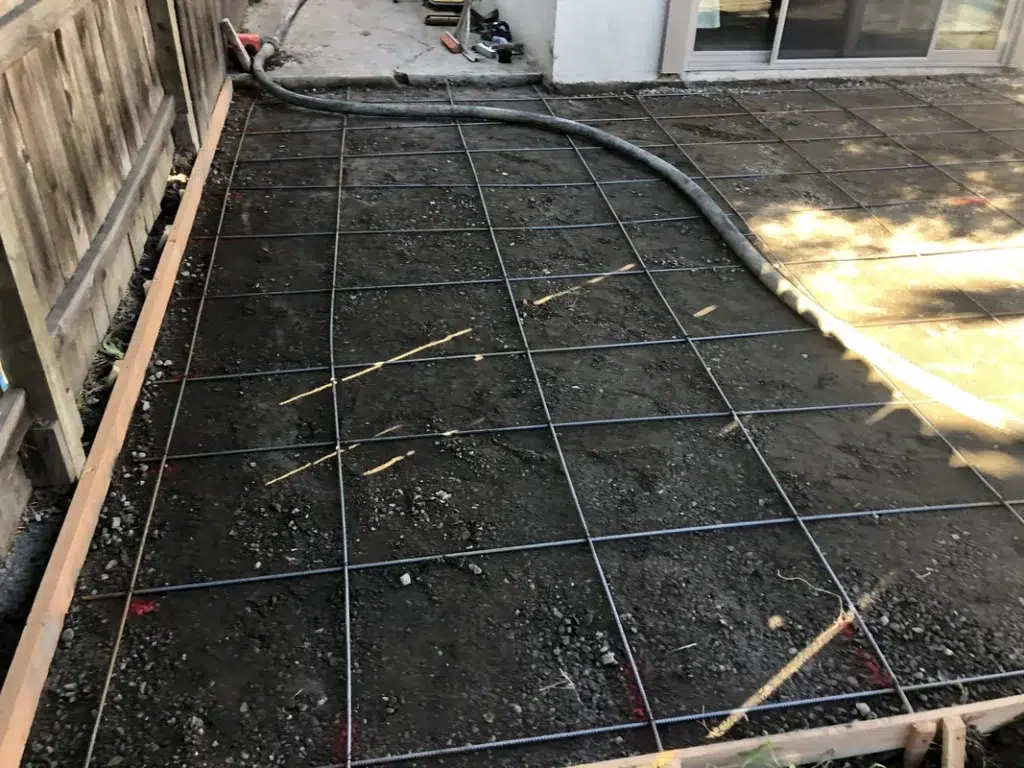
  1. Compact subgrade properly – Use mechanical compaction and verify density to prevent slab settlement and cracking.
  2. Install perimeter drainage – A perforated drain pipe wrapped in filter fabric reduces hydrostatic pressure on basement walls.
  3. Plan for utilities access – Crawl spaces allow easier plumbing and HVAC modifications compared to slabs.
DONT:
  1. Skip vapor barriers – Moisture migration can damage flooring installation and create mold risk.
  2. Underestimate excavation scope – Basements require deeper excavation, haul-off, and possible shoring.
  3. Ignore long-term remodeling goals – Slabs limit future plumbing changes during residential remodeling.
Timelines may range from 1 – 2 weeks for a slab, 2 – 3 weeks for a crawl space, and 3 – 5+ weeks for a full basement, depending on inspection schedules and weather. Costs often fluctuate based on site complexity, material costs (concrete, steel, waterproofing), and total scope. Slabs may start around the lower range, crawl spaces fall in the middle, and basements can reach the higher end due to excavation and wall systems.

Get Clarity Before You Build

Choosing among slab, crawl space, or basement foundations is a structural decision that affects your home’s durability, comfort, and resale value. A short planning conversation can prevent years of structural headaches and moisture problems. Our team evaluates soil conditions, drainage patterns, elevation changes, and long-term remodeling goals before recommending a foundation type. We explain trade-offs clearly – cost, access to utilities, energy performance, and expansion flexibility – so you understand exactly what you’re investing in. If you’re planning new construction or a major renovation, schedule a low-pressure consultation. We’ll review your lot conditions, walk through your goals, and outline practical options that meet code and protect your investment for the long term.

Frequently Asked Questions

Which of the foundation types for residential homes is the most durable?

Durability depends more on soil conditions and construction quality than the type itself. A properly reinforced slab-on-grade with thickened edges and control joints can last decades if the soil is stable and drainage is managed. Crawl spaces perform well when they include proper vapor barriers, treated sill plates, and ventilation or conditioning per code. Basements are extremely durable when foundation walls are reinforced correctly and waterproofed with exterior membranes and footing drains. We advise homeowners to focus on soil bearing capacity, groundwater levels, and frost depth first. For example, expansive clay can cause slab movement unless the design includes post-tension cables or deeper footings. A poorly drained basement can develop hydrostatic pressure issues. The most durable foundation is the one engineered for your specific site and built to code with proper inspection oversight.
In many situations, yes, a basement does cost more than building on a slab-on-grade foundation, but the difference is not always as large as homeowners assume. Constructing a basement requires deeper excavation, additional soil removal, reinforced concrete walls, footings, drainage systems, waterproofing membranes, insulation, and a safe stair access point. These components add both material and labor expenses when compared to a basic slab foundation. Engineering and structural considerations can also increase planning costs. That said, the overall cost gap can narrow depending on site conditions. If your property already requires major excavation due to slope or grading challenges, much of that work would be necessary regardless of foundation type. In those cases, adding a basement may be more cost effective than expected. A basement also creates substantial usable square footage without expanding the home’s footprint, which can improve the overall cost per square foot. Beyond construction costs, it is important to evaluate long term value. Additional living space, storage, rental potential, and resale appeal can make a basement a strategic investment based on your goals and budget.
Costs for foundation types for residential homes vary widely. A slab foundation might start in a lower range per square foot, a crawl space typically falls in a moderate range, and a full basement can reach a higher range due to excavation, wall construction, and waterproofing. Timelines may range from 1 – 2 weeks for slabs, 2 – 3 weeks for crawl spaces, and 3 – 5+ weeks for basements, depending on weather and inspection schedules. Prices fluctuate based on site complexity (slope, soil conditions, groundwater), material costs (concrete, rebar, drainage systems), and total scope (square footage, reinforcement level, waterproofing system). Additional factors like engineering requirements or specialty piers can increase costs. These figures are preliminary benchmarks for informational purposes only and do not constitute a binding quote. An on-site evaluation is required for a final proposal.
Homeowners can and should research foundation options, but final decisions must involve a licensed contractor and, in many cases, a structural or geotechnical engineer. Foundation design is not simply a preference issue. It must comply with the International Residential Code as well as any local amendments and site specific requirements. Critical factors such as soil bearing capacity, frost depth, groundwater conditions, slope, and drainage patterns require technical evaluation and testing. For example, selecting a slab foundation without understanding the presence of expansive clay soils can result in cracking, uneven settlement, and long term structural movement. Likewise, choosing a basement without a comprehensive waterproofing and drainage plan can lead to persistent moisture intrusion, mold growth, and costly repairs. Homeowners should actively participate in discussions about budget, energy efficiency, and future remodeling goals. However, structural sizing, reinforcement placement, vapor barriers, insulation details, and moisture management systems must be carefully designed and reviewed by qualified professionals. Proper oversight protects occupant safety, preserves resale value, and helps maintain insurance eligibility and long term performance.
Common warning signs of foundation trouble often begin subtly and worsen over time. Inside the home, watch for diagonal cracks in drywall, separation at ceiling corners, gaps around window or door frames, sticking or misaligned doors, and floors that appear uneven or sloped. Cracks wider than 1/4 inch in foundation walls or concrete slabs deserve particular attention, especially if they continue to expand. In basements or crawl spaces, persistent dampness, musty odors, or efflorescence, which appears as white mineral deposits on concrete surfaces, may indicate ongoing moisture intrusion. Outside the property, inspect the perimeter for soil pulling away from the foundation, standing water after rainfall, or downspouts that discharge too close to the structure. These conditions can increase hydrostatic pressure against foundation walls and contribute to settlement or structural movement. Homeowners should monitor crack width with a simple gauge or marked measurements and document changes with photos over time. If cracks widen, doors become more difficult to operate, or water intrusion increases, schedule a professional inspection promptly. Early intervention, such as correcting drainage issues or installing support piers, can help prevent extensive structural damage and significantly reduce long term repair costs.
Concrete slab foundations commonly develop shrinkage cracks as the concrete cures, and they may also experience settlement if the underlying soil is not properly compacted before placement. Poor site preparation can allow sections of the slab to shift unevenly, leading to interior floor cracks or misaligned doors and windows. Another concern involves plumbing lines embedded beneath the slab. If a leak occurs, repairs can be disruptive and costly because the concrete must be cut and later patched. Crawl spaces present a different set of challenges. When vapor barriers are missing, torn, or poorly sealed, ground moisture can accumulate and raise humidity levels beneath the home. Excess moisture encourages mold growth, wood rot, and potential pest infestations, especially if framing members or sill plates are not properly treated. Adequate ventilation and insulation are essential for long term performance. Basements are particularly susceptible to water intrusion due to hydrostatic pressure from surrounding soil. Without properly installed drain tile, sump systems, and waterproof membranes, water can penetrate through cracks, joints, or porous concrete walls. Each foundation type can perform reliably when designed with appropriate drainage, soil preparation, and code compliant construction practices. Most problems result from shortcuts in planning or installation rather than inherent flaws in the foundation system itself.

Look for proper licensing, active insurance coverage including general liability and workers compensation, and proven experience working with your specific soil conditions and local climate. A reputable contractor should be familiar with regional building requirements and follow the current International Residential Code while securing all required permits and inspections. Ask to see examples of past projects and request references for foundations similar to yours, whether slab, crawl space, or basement – each type requires different preparation, reinforcement, and moisture control strategies. A qualified professional should clearly explain reinforcement schedules, concrete strength ratings, vapor barrier specifications, anchor bolt placement, and drainage design so you understand how your foundation will perform over time. It is also wise to confirm whether engineered drawings are included in the contract and who will coordinate inspections with local officials. Clear communication about timelines, inspection checkpoints, material delivery, and contingency plans for weather or soil issues reflects professionalism and long term reliability.

Schedule a professional evaluation if you observe expanding cracks in walls or foundations, repeated moisture intrusion in the basement or crawl space, uneven or sloping floors, or visible separation between walls and ceilings. While these warning signs are not always urgent emergencies, they rarely resolve on their own and often become more serious when left unaddressed. Early action can prevent additional structural stress and higher repair costs. In the short term, take practical steps to reduce potential contributing factors. Extend downspouts so that water is discharged several feet away from the foundation, and confirm that the surrounding soil is graded to slope away from the home. Check for clogged gutters and pooling water after heavy rain. Avoid sealing significant cracks with cosmetic fillers or surface patches before identifying the root cause, since this can conceal ongoing movement and delay proper repairs. If these symptoms continue, worsen, or reappear over several months, a qualified inspection can determine whether the problem stems from normal settlement, drainage deficiencies, or structural movement. Prompt attention helps limit repair scope and protects the long term stability of the home.
Tags :
Share :

Renovation is more than construction; it is the translation of your vision into structural reality. For over three decades, Rhino Builders has stood as a pillar of reliability in Lafayette, Orinda, and the greater Bay Area.

License 580756

Request a Quote

Opening Hours

Copyright © 2026 Rhino Builders – All Rights Reserved.