My name is Shay Zilber, and I’m the CEO of Rhino Builders here in the Bay Area. Over 20 years in this industry taught me something important. Most homeowners don’t fully understand what remodeling means before they start a project. That confusion leads to budget surprises and missed expectations. I’ve walked countless clients through the basics before we ever pick up a hammer. Today, I want to give you that same foundation. Think of this as your quick-start guide to understanding how home transformations actually work.
What Does Remodeling Actually Mean?
Let’s clear up the confusion right away. Remodeling means changing the structure, layout, or purpose of a space. It goes beyond surface-level updates like paint or new fixtures. When you remodel, you’re fundamentally altering how a room functions or looks.
Here’s an example from a recent project. A client wanted their cramped galley kitchen opened up. We removed a load-bearing wall and installed a proper beam. That’s remodeling – we changed the room’s entire footprint.
Compare that to swapping out cabinet hardware or adding a backsplash. Those are updates, not structural changes. The distinction matters because it affects permits, timelines, and costs. I always tell clients to think of it this way. If walls move or plumbing relocates, you’re in remodel territory.
Remodeling vs. Renovation - Key Differences Explained
People use these terms interchangeably, but they mean different things. Renovation restores or updates existing features without changing the layout. You’re refreshing what’s already there.
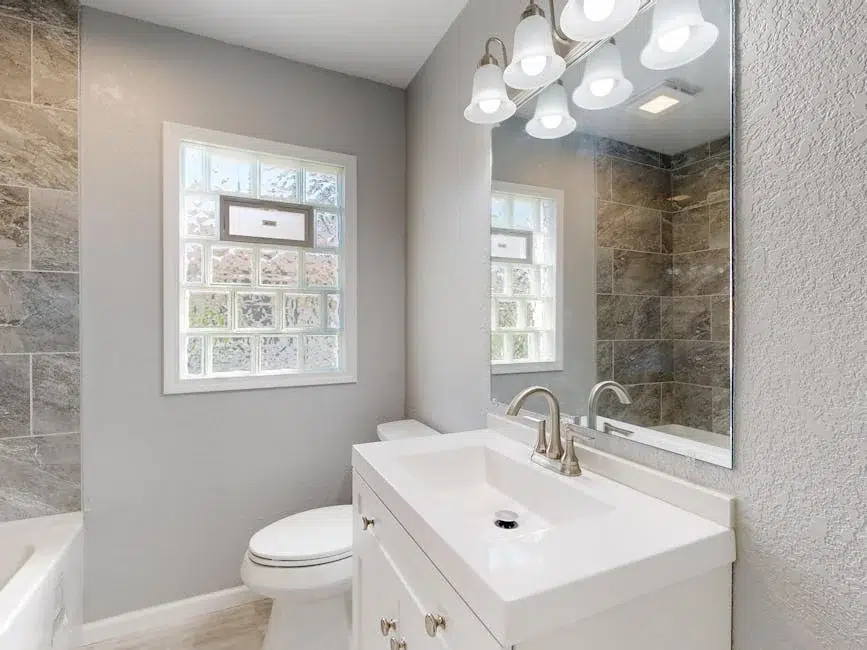
Remodeling transforms the space into something new. It might involve moving walls, changing room purposes, or adding square footage. A bathroom renovation might include new tile and a modern vanity. A bathroom remodel could mean expanding into an adjacent closet for a walk-in shower.
Why does this matter? Permits and costs differ significantly between the two. Renovations often skip the permit process entirely. Remodeling projects almost always require city approval in California. I’ve seen homeowners get stuck mid-project because they didn’t understand this distinction. Knowing what you actually need saves time and money upfront.
Kitchen and Bathroom Upgrades
Kitchens and bathrooms deliver the highest return on investment. They’re also the most complex spaces to transform. These rooms involve plumbing, electrical, and often structural elements.
A kitchen remodel might include:
- Removing walls to create an open-concept living
- Relocating plumbing for island sink installation
- Upgrading electrical panels for modern appliances
- Installing proper ventilation systems
- Adding custom cabinetry with soft-close hinges
I always recommend that clients invest in quality rough-in work. What’s behind the walls matters more than visible finishes. Cheap PEX connections or undersized electrical circuits cause problems for decades.
Room Additions and Layout Changes
Adding square footage or reconfiguring existing space falls under major remodeling. These projects require engineering calculations and thorough permit review.
Room additions must match existing rooflines and foundation standards. In California, we also factor in seismic requirements that other states skip. I’ve worked on additions where soil reports revealed expansive clay. That meant specialized foundation work before framing could begin. These details only surface through proper planning and professional assessment.
California Building Codes Every Homeowner Should Know
California has some of the strictest building codes in the country. These regulations protect you and future homeowners. Ignoring them creates legal and safety problems.
- California Building Standards Code (Title 24) – Covers structural, electrical, plumbing, and mechanical requirements. Non-compliance can result in permit revocation and forced demolition.
- California Energy Code (2022) – Mandates energy efficiency for windows, insulation, and HVAC systems. Violations lead to failed inspections and costly corrections.
- California Residential Code – Governs room sizes, ceiling heights, egress requirements, and safety features. Consequences include certificate of occupancy delays.
Always verify current code editions with your local building department. Codes update regularly, and what passed five years ago might not pass today.
How to Find the Right Remodeling Contractor
Choosing the right contractor determines project success. I’ve seen beautiful designs ruined by poor execution. Here’s what actually matters when hiring.
First, verify licensing through the California Contractors State License Board. Every legitimate contractor holds a valid license number. Check it online before signing anything.
Second, ask about insurance. General liability and workers’ compensation protect you from financial disaster. Request certificates directly from the insurance company, not just the contractor.
Third, review recent projects similar to yours. A contractor specializing in commercial work might struggle with residential details. Experience in your specific project type matters more than years in business.
Finally, get everything in writing. Detailed contracts prevent disputes. Payment schedules should tie to completed milestones, not calendar dates. I structure every Rhino Builders contract this way because it keeps everyone accountable.
Trustindex verifies that the original source of the review is Google. We did an ADU build with a bathroom remodel at the same time. Itay made sure every detail was taken care of, the finishes came together beautifully, and the space feels modern and bright.Posted onTrustindex verifies that the original source of the review is Google. Our full home renovation was a big job, and Rhino handled it professionally from start to finish. Shay checked in regularly, and the results really speak for themselves. We couldn’t be happier! 😁Posted onTrustindex verifies that the original source of the review is Google. Alon was such a pleasure to work with. He really cared about the details and made sure everything turned out exactly how I pictured it. Can’t stop smiling when I look at my new space.Posted onTrustindex verifies that the original source of the review is Google. We had a room addition built and it turned out amazing. The construction blended perfectly with the existing structure, and the workers kept everything clean and well-organized throughout.Posted onTrustindex verifies that the original source of the review is Google. After a bad experience with a different company on a previous project, we were hesitant to start another one. But working with Shay and his team was a completely different experience—they were reliable, communicative, and made us feel at ease throughout the entire room addition. We finally felt like we were in good hands, and the results speak for themselves!Posted onTrustindex verifies that the original source of the review is Google. We’ve worked with contractors before, but this was different. Rhino Builders really listened and made it easy. The results are beautiful!Posted onTrustindex verifies that the original source of the review is Google. The attention to detail was impressive. They made sure everything matched our home perfectly. Super happy with the outcome.Posted onTrustindex verifies that the original source of the review is Google. Rhino Builders had amazing service from day one. They were super patient with all our questions and changes, and never made us feel rushed. It’s rare to find a team that listens and truly cares—so grateful we chose them!Posted onTrustindex verifies that the original source of the review is Google. We chose to go with Rhino builders after interviewing a few companies around. These guys were really great. They gave us a fair price to get our 2 bathrooms and our kitchen remodeled. They were very helpful with the designs and choosing the materials throughout the remodel. We had a good experience with them.Posted onTrustindex verifies that the original source of the review is Google. I really enjoyed working with Shay and his team on our home remodeling projects. We did some layout changes and they were beyond helpful with plans, architecture and all the ideas we had. Will probably do some outdoor design and work again with this company next year.Verified by TrustindexTrustindex verified badge is the Universal Symbol of Trust. Only the greatest companies can get the verified badge who has a review score above 4.5, based on customer reviews over the past 12 months. Read more
Start Your Remodel With Confidence
Now you understand what remodeling actually involves. You know how it differs from a simple renovation. You’ve learned about California’s strict code requirements and what to look for in a contractor.
The next step is evaluating your own space. Walk through your home with fresh eyes. Consider which areas frustrate you daily. Think about how changed layouts might improve your routine.
At Rhino Builders, we start every project with an honest conversation. No pressure, just clear information about what’s possible within your budget and timeline. Remodeling your home should feel exciting, not overwhelming. With the right knowledge and team, it will be.
Frequently Asked Questions
How long does a typical remodeling project take?
Timeline depends on project scope and permit requirements. A bathroom remodel usually takes three to six weeks. Kitchen projects often run eight to twelve weeks. Additions can stretch several months. Permit approval in California adds two to six weeks before work begins. I always build buffer time into schedules for inspections and unexpected discoveries behind walls.
Do I need permits for my remodeling project?
Most structural changes require permits in California. Moving walls, adding electrical circuits, or relocating plumbing all need city approval. Cosmetic updates like painting or flooring usually don’t. Skipping required permits creates problems when selling your home. Title companies check permit history during transactions.
Can I live in my home during a remodel?
Many homeowners stay home during projects. It depends on the work location and your tolerance for disruption. Kitchen remodels make daily life challenging without cooking facilities. Bathroom projects require alternative arrangements if you only have one. I help clients plan temporary setups when staying makes sense.
What's the difference between a general contractor and subcontractors?
General contractors manage entire projects and coordinate all work. They hire subcontractors for specialized tasks like electrical, plumbing, or HVAC. You sign one contract with the general contractor, who handles everything. This simplifies communication and ensures someone takes responsibility for the complete project.
How do I know if my contractor is doing quality work?
Watch for attention to detail during early phases. Straight framing, proper flashing installation, and clean electrical runs indicate quality. Ask questions throughout the process. Good contractors explain their methods and welcome inspection. Request photos of the work before it gets covered by drywall. Documentation protects everyone involved.